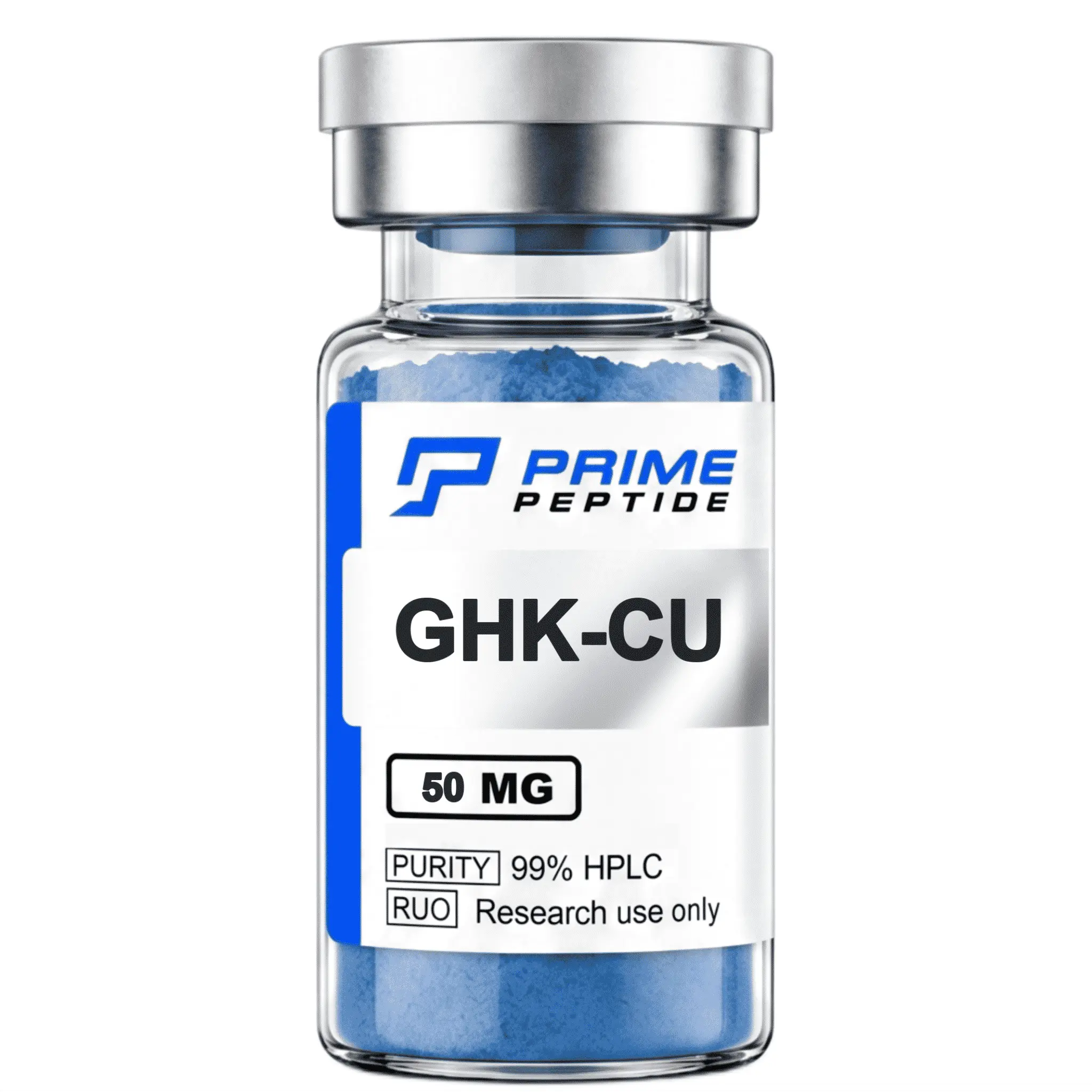
Healing & Recovery Research Peptides
Healing and recovery peptides are widely researched for their potential role in tissue repair, regeneration, recovery support, and cellular healing processes. This collection features research-grade compounds commonly investigated in studies involving muscle recovery, connective tissue support, wound healing, and overall regenerative health.
Read More
What Regenerative Peptides Are
Regenerative peptides are small chains of amino acids studied for their possible role in healing, repair, and recovery support. In research settings, they are often explored for how they may help the body respond to stress, tissue strain, or injury. These compounds are designed to interact with natural biological processes, making them useful in wellness and performance studies. Researchers value regenerative peptides because they may offer a targeted way to examine recovery pathways without the complexity of larger molecules. This makes them a popular focus in modern peptide research.
Why They Matter in Recovery Research
Recovery research depends on tools that can support clear, repeatable study outcomes, and regenerative peptides are often part of that conversation. Scientists and product developers examine them for their potential to support tissue repair, cellular balance, and post-exertion recovery. Their interest comes from the idea that small peptide structures may help guide the body’s natural healing response. This makes them relevant in areas such as sports recovery, injury research, and general wellness studies. As interest grows, regenerative peptides continue to stand out as a focused topic in advanced research discussions.
Key Areas of Study and Use
Researchers look at regenerative peptides across several areas, including muscle recovery, joint support, skin repair, and overall tissue regeneration. Each area offers a chance to better understand how the body responds to different peptide signals. These studies may help identify patterns related to healing speed, inflammation response, and structural support. Because regenerative peptides can be studied in many formats, they are useful for both early research and more focused product development. Their broad research value makes them an important subject for teams exploring new ways to support recovery and long-term wellness.
Choosing High-Quality Peptide Research Materials
When working with regenerative peptides, quality and consistency matter. Reliable research materials help ensure accurate testing, cleaner results, and better study confidence. Researchers often look for clear labeling, proper handling, and strong documentation before selecting a peptide product for analysis. This is especially important in healing and recovery research, where small differences can affect outcomes. Choosing well-prepared materials supports better decision-making and more dependable findings. For anyone studying regenerative peptides, high-quality sources are essential for meaningful research and a more complete understanding of how these compounds may contribute to recovery science.